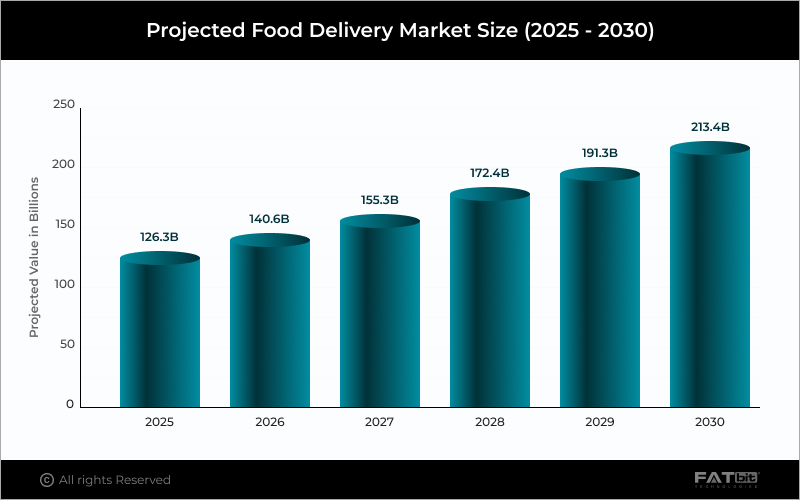
In this digital-first era, where people prefer having their favourite food in the comfort of their homes, downloads of food delivery apps have increased. These apps not only provide convenience but also a variety of food options. Moreover, the food delivery market is projected to reach $213.44 billion by 2030.
However, apart from these benefits, running an on-demand food delivery business comes with many challenges. For a foodpreneur ready to enter the on-demand food delivery industry, understanding these challenges and ways to address them becomes crucial. In this comprehensive blog, you will explore those challenges along with the ways to tackle them. Other than that, you will get to know about the evolving landscape of the food delivery industry, must-have features, management tips, and emerging niches.
Major Challenges Faced in Food Delivery Business
Challenge 1: Volatile Pricing Model
Setting up a pricing model that drives business revenue and is not subject to fluctuation is challenging. The rising competition in the online food industry and volatility in food prices has made it difficult for entrepreneurs to identify the right pricing strategy. Many startups prefer to work on lower margins to survive in the online food industry. However, there is no guarantee that reducing the prices will lead to higher traffic and sales as customers always look for discounts & offers while placing an order.
Solution – The ideal solution to overcome this online food delivery challenge is to keep an eye on the food prices offered by established players and your competitors in the market. You can also set up a pricing model considering the latest trends in the online food delivery market. Moreover, analyzing consumer behaviour and understanding the price sensitivity of customers could help you create a profitable pricing strategy.
Challenge 2: Difficult to Engage and Retain Customers
Due to the arrival of SMBs and conglomerates in the food delivery sector, engaging new users and building a stable customer base is no longer an easy task. According to a report prepared by CleverTap, a U.S.-based mobile marketing company, only 22 % of the new app users remain active after the first week and 86 percent stop using a food delivery app within the 14 days of the launch.
Solution – Customer engagement could be improved by running a referral program and providing the new app users with introductory offers and discounts. You can also work on creating a compelling UI design so that users can navigate seamlessly. Keep it simple and organized with only important information such as an advanced search option, listing of food items, delivery time, and more to provide a better browsing experience.
Challenge 3: Inability to Handle Order Fulfillment & Logistics Operations
Below listed are some common logistics problems that food delivery startups face during the delivery cycle:
- Selecting particular areas of a region for food delivery.
- Managing the influx of order requests coming from a specific area.
- Prioritizing the order requests and providing on-time delivery.
- Allocating the right number of vehicles to delivery points.
- Maintaining the hygiene factor during the delivery cycle.
- Identifying the delivery routes and providing proper training to the delivery boys.
Solution – Logistics issues could be solved by:
- Integrating your online food delivery platform with features like location tracker, BOPIS (Buy Online, Pick up in Store), geofencing, delivery router, and order scheduler. For instance, Geolocation would help merchants to set virtual boundaries and deliver food in their preferred delivery zone. A delivery router would provide a detailed view of routes to the delivery staff and help them deliver the order in the minimum possible time.
- Organizing training sessions for delivery boys and measuring their work performance on a daily basis.
Challenge 4: Identifying and Partnering with the Right Experts in the Online Food Delivery Market
Creating the restaurant onboarding process and identifying the right food delivery partners requires a hefty amount of time and effort. Collaborating with the right food delivery partners and listing them on your platform is crucial to build the brand image. With countless restaurants available in the food industry, entrepreneurs may find it difficult to hire reliable restaurant partners for their food delivery platform.
Solution – Hiring a restaurant onboarding assistant could be the best way to solve this online food delivery challenge. An onboarding expert could play a significant role in building effective onboarding strategies and providing excellent support to the restaurants throughout the onboarding process.
Challenge 5: Meeting Customer’s Expectations Over Food Quality
Filling the gap between the quality of food delivered at the customer’s location and served at the restaurant’s premises is another challenge that the food delivery companies must overcome. Delivering food at the customer’s doorsteps far away from the restaurant while keeping it fresh during the transit becomes a challenging task for the delivery boys.
Solution – Entrepreneurs can check the packaging and safety guidelines followed by restaurants before listing them on their food delivery portal. Restaurants that use the best packaging products to keep the food unaltered during transit must be preferred. For example, online food delivery giant Doordash uses insulated food bags to maintain the food quality and keep it fresh at both hot and cold temperatures.
Challenge 6: Finding the Appropriate Advertising Methods
Even if your online food delivery portal is integrated with impressive features, attracting new users could be challenging at the initial stages if you’re not promoting it on appropriate advertising channels. Amid the constantly changing consumer demands and buying behaviours, it could be difficult for startups to find the appropriate advertising method to target the right audience with the right service at the right time.
Solution – Entrepreneurs could create an advertising plan that would define marketing strategies, suitable social media platforms, and their target audience. Apart from creating an advertising plan, startups can also connect with food bloggers and influencers to solidify their brand presence.
Facing Challenges in Launching Your Food Delivery Business?
Evolving Challenges in the Hyper-Competitive Digital Food Delivery Landscape
The online meal delivery market is becoming more competitive as a result of technological advancements and digital evolution. Moreover, with the rising number of online food delivery platforms, consumer expectations are changing with each passing day. However, numerous difficulties have also been brought forward by this progress and new entrants. Thus, understanding these issues and how to solve them becomes crucial. Now let’s get started:
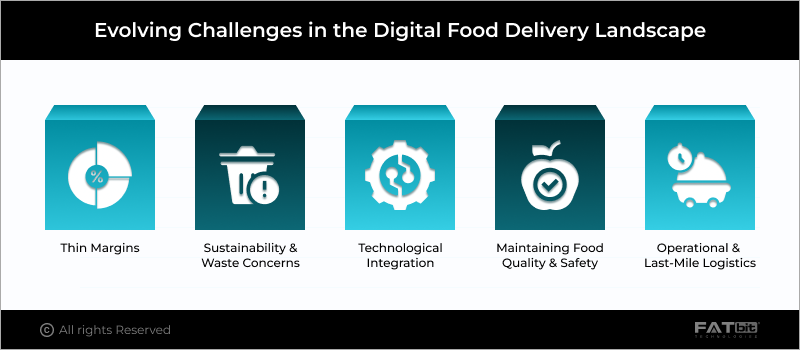
With so many food delivery platforms available in the market, it becomes difficult to retain customers. Further, to retain customers, platforms often offer free delivery, promotional offers, and heavy discounts. No doubt, all these tactics help in retaining customers, but they also give rise to customer acquisition costs. Hence, it makes the profit margin thin, which makes maintaining sustainable operations difficult.
- Sustainability and Waste Concerns
Along with the quality of food, today’s consumer is also concerned about the sustainability and environmental impact of food delivery, specifically regarding eco-friendly packaging and carbon emissions. Most of the businesses operating on a small to medium scale face challenges in adopting eco-friendly packaging. Additionally, eco-friendly practices excessively increase cost.
- Technological Integration
For food delivery platforms, incorporating cutting-edge technology is a common challenge. Technologies such as AI chatbots, route optimization, and predictive algorithms simplify customer service, optimize inventory, and increase delivery speed and efficiency. No doubt, these innovations improve customer satisfaction and operational effectiveness, but their implementation and maintenance require a substantial investment and level of skill.
- Maintaining Food Quality and Safety
Most of the food delivery platforms find it difficult to deliver food that is fresh and hygienic, particularly when it comes to perishable goods. Thus, to guarantee customer satisfaction, platforms must implement temperature-controlled delivery systems, work with restaurants to standardize packaging, and conduct strict quality inspections.
- Operational and Last-Mile Logistics
In the food supply chain, the last-mile delivery procedure is frequently the most complicated and costly. Further, delays, wrong routes, and a lack of delivery staff may adversely affect customer satisfaction. Hence, utilizing real-time tracking, predictive analytics, and AI-driven route optimization can boost productivity and cut expenses.
Restaurant Management Tips to Overcome Challenges in the Food Delivery Business
- Use technology to manage the operations of the restaurants. Integrate a POS system for inventory management, track sales, and more. It will also help maintain efficiency and reduce errors.
- To run any business smoothly, one key component is teamwork and effective communication. Thus, you can conduct bi-monthly or monthly meetings with your staff to discuss the workflow, performance, issues, and share other updates.
- Implement the following workplace controls to reduce errors and improve overall performance:
- Organized kitchen workflows
- Order-prep time monitoring
- Proper food handling and hygiene practices
- Regular cleaning and sanitizing
- One more important consideration while running a restaurant business is maintaining hygiene. Thus, help customers maintain proper hygiene and dining comfort by:
- Discontinuing operations like self-serve salad bars or buffets, as they can lead to handling issues and inconsistent hygiene
- Finding ways to encourage proper spacing and smooth movement while eating
- Discouraging customers from bringing pets to the restaurant to maintain cleanliness and food safety
Effective Tips to Boost User Engagement For Your Online Food Delivery Business
Enhancing customer engagement and boosting online food delivery requires clear communication, smart product presentation, and active social interaction. Hence, the following strategies help improve user experience, build trust, and expand your brand’s reach through thoughtful features and consistent customer-focused initiatives. Let’s have a look at them:
Use Product Badges to Guide Smarter Purchases
Adding badges on the food items with offers & discounts, ratings, & estimated delivery time could help customers make the right purchase decision. These visual markers help customers compare items quickly and select what suits them best without extensive browsing. By simplifying decision-making and showcasing key features upfront, product badging enhances user experience, speeds up product discovery, and ultimately supports higher sales and improved revenue for your food-delivery platform.
Notify customers of delivery schedule or policy changes via push alerts.
Offering food items with impressive menus is no longer enough to keep your business going. Share timely updates with your customers about the operational working hours & delivery policies of your restaurant to keep them engaged in your online food delivery portal. Additionally, providing timely updates helps manage expectations and reduces confusion, ensuring a smoother, more reliable ordering experience.
Prompt customers to share your food-delivery content on social media.
People love to interact with images of delicacies on social media platforms. Organizing photo-sharing contests could be the best way to improve business reach. Moreover, offer rewards such as vouchers or small gifts for the best entries to motivate customers, boost interaction, and strengthen community interest around your restaurant. It will help your business grow through user-driven promotion and social reach.
Streamline Your Restaurant Operations with the Best Food Delivery Software!
Must-Have App Features for Modern Food Delivery Platforms
In today’s fast-paced digital food delivery industry, the success of a platform relies on more than just a menu and delivery service. Today’s tech-savvy users expect seamless navigation, real-time tracking, secure payments, and personalized experiences. Hence, incorporating the right app features not only enhances customer satisfaction but also streamlines operations and helps platforms stand out in this hyper-competitive industry. Further, below is a list of must-have features for your modern food delivery marketplace:
-
Smart Search & Recommendations
A smart search feature allows users to quickly find their desired food items or restaurants. Advanced filters and recommendations based on past orders, preferences, or browsing history can further enhance user experience by guiding them to discover new restaurants or dishes they might enjoy.
-
In-App Chat or Customer Support
Include in-app chat or support features to enable customers to quickly reach customer service for real-time issue resolution, order tracking, or assistance with their accounts. This feature can help improve user trust and loyalty by providing immediate help when needed.
-
GPS-Based Delivery Agent Tracking
Allowing customers to track their orders on a map provides transparency and reduces uncertainty. This also helps customers plan their activities around the expected delivery time, improving overall satisfaction.
-
Restaurant Partner Dashboard
A dedicated dashboard for restaurant partners allows them to manage orders efficiently, track performance, and update their menu. Further, real-time order notifications, sales insights, and analytics help restaurant partners optimize their operations, reducing mistakes and improving the customer experience.
-
Multi-Address & Scheduled Deliveries
This feature allows users to place orders for multiple delivery addresses or schedule deliveries in advance. Moreover, using this feature, they can order for a group, send food as a gift, or plan meals for the week. Additionally, they can save multiple addresses for easy ordering in the future.
-
Advanced Order Customization & Dietary Tags
Customers today want customization, especially for dietary or other specific preferences. Features that let customers add special instructions, choose ingredient modifications, or filter menu options based on dietary tags, including vegan, gluten-free, or keto, will ensure that every order meets the customer’s exact needs.
-
Sustainability Tracking & Eco-Friendly Options
With variety, hygiene, and convenience, consumers want eco-conscious features that promote sustainability. Therefore, you should include features such as carbon emissions tracking from deliveries, offer eco-friendly packaging, or highlight restaurants with sustainable practices. This helps customers, who are increasingly choosing services that align with their values, making this a valuable addition.
-
Loyalty Programs & Gamification
Rewarding customer loyalty with points, discounts, or exclusive offers is an effective way to increase engagement and repeat business. Additionally, gamification elements, such as earning badges, levelling up, or completing challenges, can make the experience more engaging and fun, encouraging customers to order more frequently.
-
Integration with Digital Wallets or BNPL
Offering multiple payment options, including integration with digital wallets (like Apple Pay, Google Pay) or Buy Now, Pay Later (BNPL) services, makes payments more convenient and flexible for users. Further, providing seamless payment options can reduce friction during the checkout process, leading to higher conversion rates.
An intuitive and comprehensive admin panel allows operators to monitor platform performance, manage user accounts, track order history, handle complaints, and generate reports. Other than that, the admin panel should be user-friendly yet powerful enough to manage day-to-day operations, ensuring smooth platform management and continuous improvement.
Future Predictions: The Online Food Delivery Sector is expected To Grow at a Faster Rate
For a clearer insight into what the future has in store for the online food delivery market, have a look at some important facts and statistics:
As per the recent reports by Statista,
- Revenue of the online food delivery market is expected to show an annual growth rate (CAGR 2025-2030) of 7.63%, resulting in a projected market volume of $2.02 trillion by 2030.
- The North American food delivery market has a 31% market share and continues to expand. Its forecasted value is $120 billion in 2029.
- Revenue in the meal kit delivery industry, a subscription-based food service model, will grow to USD 19 billion by 2028.
Emerging Trends in the Food Industry
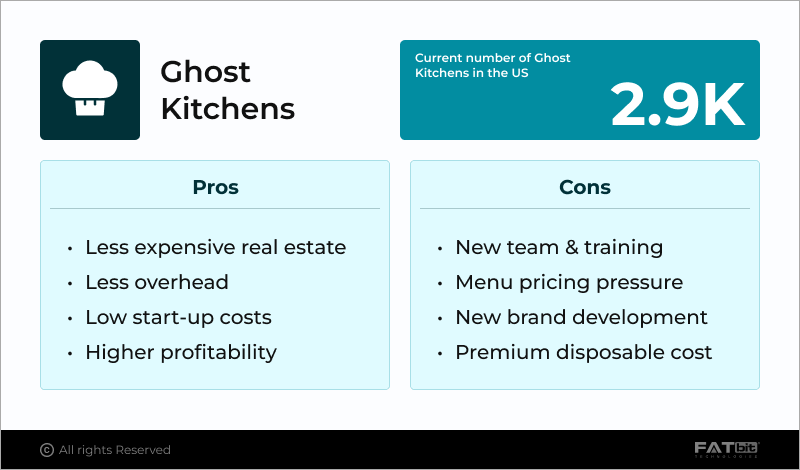
1. Ghost Kitchen
With more people preferring to avoid dining out and ordering food to have it in the comfort of their home, restaurant owners found an alternative method. They have converted sit-down restaurants into ghost kitchens or delivery-only outlets, adapting to the online food industry landscape. Currently, there are approximately 2930 ghost kitchens operating across the US.
2. Vegan Restaurants
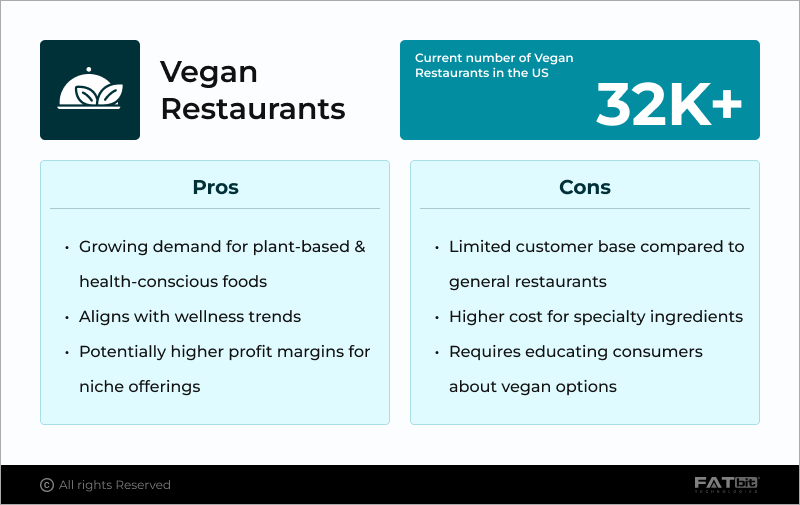
Taking into account the benefits of vegan food for the immune system, the vegan-only restaurants are on the rise. Further, online food delivery outlets that promote plant-based products and offer vegan food items to their customers are likely to earn more profits. If we talk about numbers, operating in the USA, there are more than 32000 restaurants catering to the needs of the vegan customers.
3. Meal Kit Subscription Services:
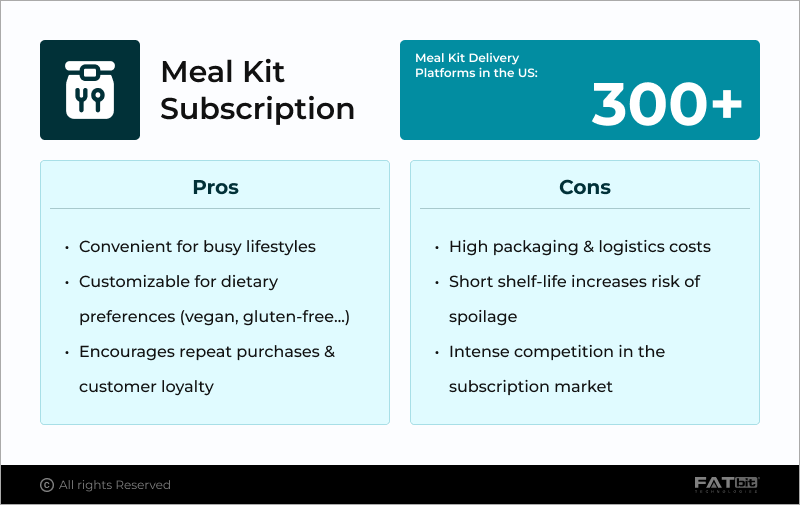
Most people today have a busy lifestyle and less time to cook their meals. Thus, meal kit subscription services come as a saviour that allows customers to order pre-portioned ingredients and recipes. Furthermore, between 2024 and 2030, this segment of the food delivery industry is expected to rise by $3.71 billion. Moreover, meal kits can be customized according to the dietary preferences of the consumer, such as vegan, gluten-free, and others.
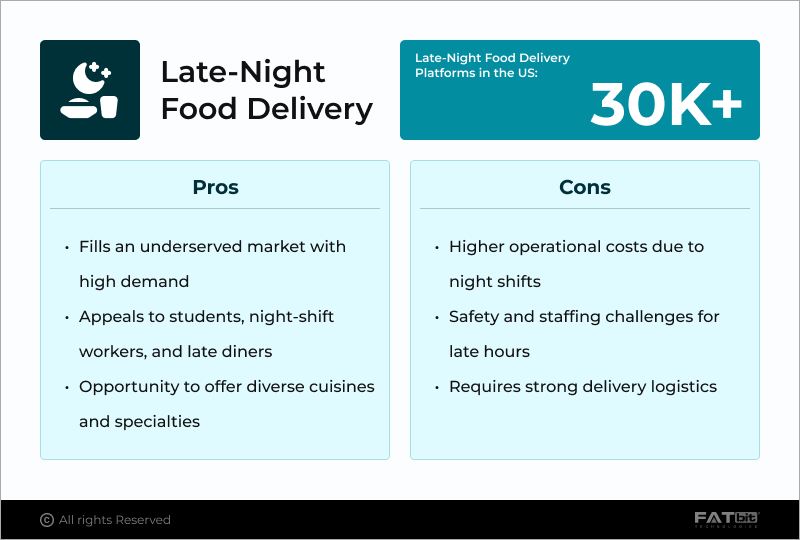
4. Late-Night Food Delivery Platforms:
For students, night-shift employees, and others, late-night food delivery platforms are a saviour. Moreover, these platforms offer a variety of food options, from traditional meals to diverse cuisines, to their customers. Moreover, due to lack of alternative food delivery options at night, there exists a huge market gap. Thus, late-night food delivery is an emerging trend and a lucrative opportunity for aspiring foodpreneurs to capitalize on. Capitalizing on this emerging trend are the popular food delivery giants, including DoorDash, UberEats, GrubHub, and more.
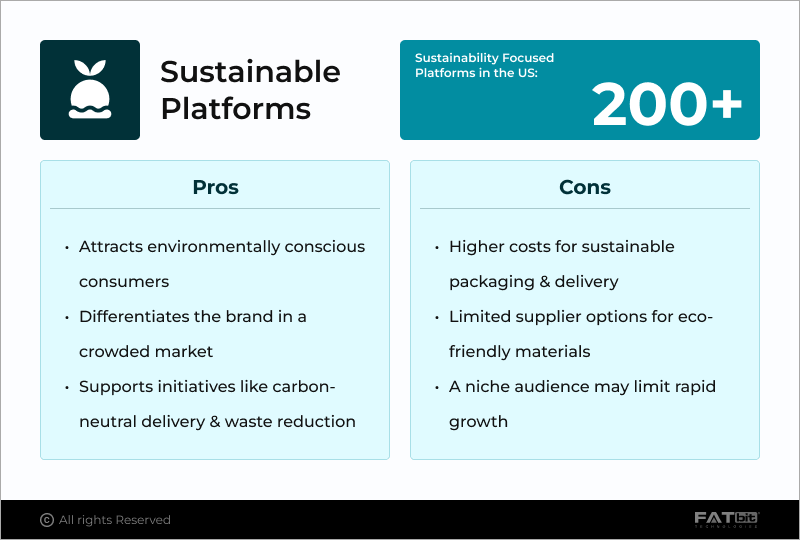
5. Sustainability Focused Platforms:
With the increasing awareness about the environment, more and more consumers are preferring sustainable options in food delivery. However, the number of sustainability-focused food delivery platforms is only 200 (approx). Thus, with more focus on the environmentally aware segment of consumers, it presents a great opportunity for the ‘ecopreneurs’ to launch a food delivery platform that offers carbon-neutral delivery and various programs to cut down on waste.
Considering the future trends listed above, the online food delivery platforms will most probably consider restaurants with vegan food options and ghost kitchens as their listing partners.
Yo!Yumm: A Robust Solution to Launch an Online Food Delivery Platform
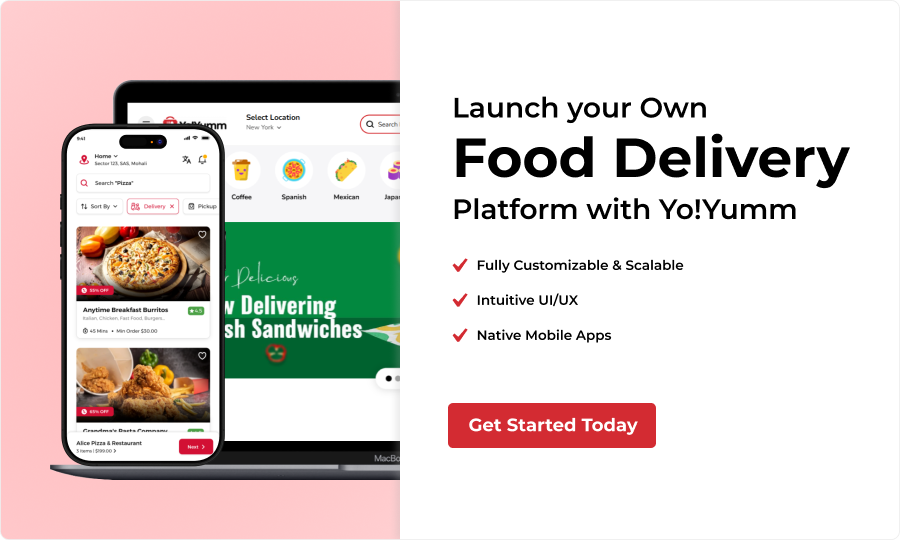
Developed by a team of experts, Yo!Yumm is a robust, readymade software solution, designed specifically for entrepreneurs and restaurant owners ready to enter the online food delivery landscape. Equipped with all the essential features, it allows foodpreneurs to run a food delivery platform seamlessly. Additionally, it supports various niches and diverse revenue streams, making it an ideal choice for launching an online food delivery platform. Built for scalability, Yo!Yumm ensures that your platform handles the increasing number of orders, customers, and transactions efficiently.
Yo!Yumm is a fully white-label solution enabling you to launch your food delivery platform under your brand. Other than that, you can add unique features that align with your business model. Furthermore, it provides other advantages, such as:
- Free personalized demo
- Available at a one-time payment
- Support several niches
- User-specific readymade mobile apps
- Lifetime ownership
- 12 months of free tech support
- Advanced admin panel
- GDPR compliant
- Multiple payment gateways
- No-coding requirements
- Multilingual and multi-currency support
Explore the feature set of Yo!Yumm
Book a Personalized Demo to see Yo!Yumm in Action
Conclusion
Entrepreneurs must combat the online food delivery challenges listed in the blog post to survive in this highly competitive market. In this digital-first era, where every consumer prefers convenience and variety, it is the right time for startups and existing players in the market to set up an online food delivery platform to uplift their business. Additionally, in order to do it conveniently within a shorter time span, entrepreneurs could opt for a ready-made food delivery solution, such as Yo!Yumm.