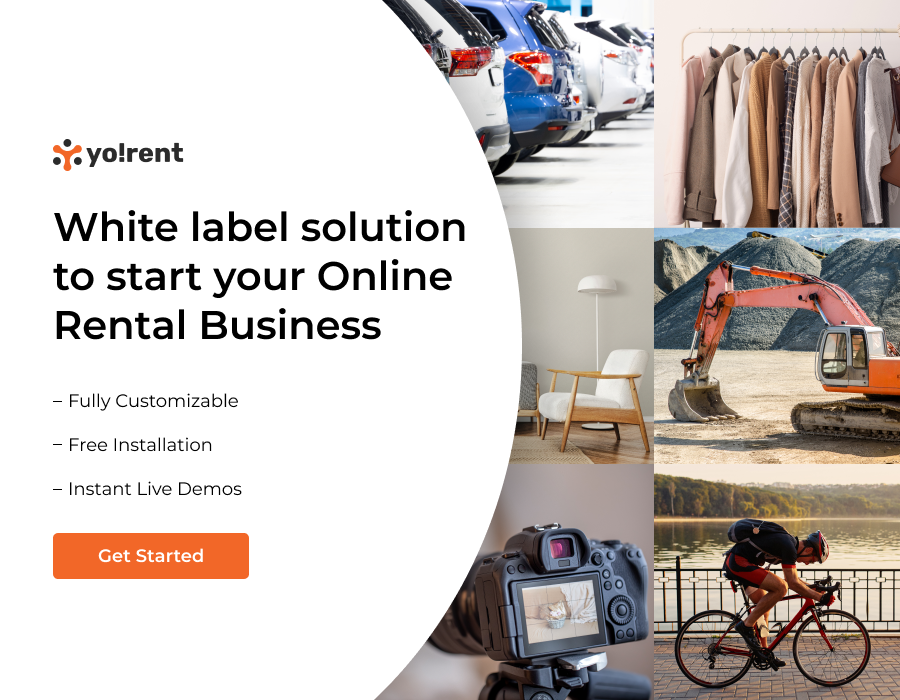
The global rental economy is witnessing unprecedented growth, driven by changing consumer behavior and the growing preference for access over ownership. Whether it’s renting high-end fashion, construction equipment, or personal assets, today’s users value flexibility, affordability, and convenience more than ever before. This growing demand has opened up lucrative opportunities for businesses to enter the rental marketplace.
However, building a scalable and feature-rich rental marketplace requires deep technical expertise, domain knowledge, and the right technology partner. Moreover, choosing the right development company is critical as it can make or break your platform’s success.
This gives rise to the question: How do you choose the right company in a space filled with so many options? To simplify this decision, this blog explores the top rental marketplace development companies, comparing their strengths, limitations, and suitability for different business needs.
A rental marketplace platform is a digital ecosystem that enables businesses or individuals to list, discover, and rent products or services for a defined period. Unlike traditional eCommerce platforms that facilitate permanent ownership, rental marketplaces operate on an access-based model, allowing users to utilize assets temporarily without purchasing them.
At its core, a rental marketplace connects three key stakeholders:
- Vendors (owners)
- Renters (customers)
- The platform owner (admin)
Vendors list their rentable inventory, customers browse and book items based on availability, and the platform facilitates transactions, scheduling, and overall marketplace operations.
From a functionality standpoint, a robust rental marketplace platform typically includes:
- Real-time booking and availability management
- Dynamic pricing based on rental duration
- Security deposits and late return handling
- Multi-vendor management dashboards
- Order tracking and automated notifications
- Integrated payment gateways and commission systems
In essence, a rental marketplace platform is not just a website but a scalable business infrastructure designed to manage supply-demand dynamics, optimize asset utilization, and deliver seamless rental experiences at scale.
Rental marketplaces are not one-size-fits-all. They vary significantly based on industry, target audience, asset type, and operational complexity. Understanding these differences is essential for choosing the right business model and technology approach for your venture.
Below are some of the most prominent types of rental marketplace platforms, along with real-world examples:
1. Product Rental Marketplaces
Product rental marketplaces allow users to rent everyday consumer goods such as electronics, furniture, appliances, and tools for short or long-term use. They are popular among urban consumers who prefer affordability and flexibility over ownership. Businesses in this segment typically focus on logistics, maintenance, and inventory optimization.
Popular Platforms:
- Rentomojo: Furniture and appliances rental
- Feather: Subscription-based furniture rental
- Aaron’s: Electronics and appliances rental
2. Equipment Rental Marketplaces
Designed for industries like construction, healthcare, and manufacturing, these platforms handle high-value equipment rentals. These platforms often involve complex workflows such as compliance management, bulk inventory handling, and long-term rental agreements.
Popular Platforms:
- United Rentals: Industrial equipment rental
- Sunbelt Rentals: Construction and industrial tools
- BigRentz: Online construction equipment rentals
3. Peer-to-Peer (P2P) Rental Platforms
Peer-to-peer rental platforms enable individuals to rent out their personal assets directly to others. This model allows rapid scaling without the need for owning inventory and relies heavily on trust systems, ratings, and secure payment processing.
Popular Platforms:
- Fat Llama: Equipment rentals
- Turo: Peer-to-peer car rentals
- Spinlister: Bike rentals
4. Fashion Rental Marketplaces
Fashion rental platforms allow users to rent clothing, accessories, and luxury items for occasions or everyday wear. This segment is growing rapidly due to sustainability trends and cost-conscious consumers.
Popular Platforms:
- Rent the Runway: Designer clothing rental
- Le Tote: Subscription-based fashion rental
- HURR: Peer-to-peer fashion rentals
5. Vehicle Rental Marketplaces
Vehicle rental platforms include cars, bikes, scooters, and commercial vehicles. These platforms can operate on both centralized fleet and P2P models. Convenience, flexibility, and real-time booking are key factors in this segment.
Popular Platforms:
- Getaround: On-demand car sharing
- Turo: Peer-to-peer car rentals
- Zoomcar: Self-drive car rentals
6. Property Rental Marketplaces
Property rental platforms are among the most widely adopted rental models globally. It enables users to rent homes, offices, and vacation properties. These platforms require advanced booking systems, secure payments, and robust user management features.
Popular Platforms:
- Airbnb: Short-term property rentals
- Booking.com: Hotel and vacation rentals
- Vrbo: Vacation home rentals
7. Niche Rental Marketplaces
Niche rental marketplaces target specialized industries or unique use cases. These platforms often face less competition and can build strong customer loyalty.
Popular Platforms:
- BabyQuip: Baby equipment rentals
- Ruckify: General item rentals
- KitSplit: Camera and production gear rentals
Choose the Right Rental Marketplace Model for Your Business
Choosing the Right Type for Your Business
Selecting the right rental marketplace type depends on several key factors:
- Target audience: B2C, B2B, or P2P
- Inventory ownership model: Own inventory vs aggregator model
- Operational complexity: Logistics, compliance, maintenance
- Revenue model: Commission, subscription, or listing fees
For example, Startups often begin with P2P or niche marketplaces for faster scalability, while enterprises typically invest in equipment or vehicle rental platforms for higher revenue potential. Lifestyle brands, on the other hand, may prefer fashion or product rental marketplaces.
The success of any rental marketplace largely depends on its ability to deliver seamless user experiences, efficient booking systems, and scalable vendor management. Several leading platforms across industries have set high standards by combining robust technology, intuitive design, and well-defined business models.
Below are some of the top rental marketplace platforms, along with insights into what makes them stand out and succeed in a competitive market:
1. Airbnb
Airbnb is one of the most successful rental marketplaces globally, specializing in short-term property rentals. It connects hosts with travelers and has transformed the hospitality industry. With a strong focus on user experience and trust, it offers seamless booking, detailed listings, and a reliable review system that builds confidence among users.
Why It Stands Out:
- Seamless and intuitive booking experience
- Advanced search and smart filtering options
- Strong trust system with reviews and ratings
- Global scalability
Key Takeaway:
If you’re building a property rental platform, focus on user trust, UI/UX, and seamless booking flows to build a successful and scalable property rental marketplace.
2. Turo
Turo is a leading peer-to-peer car rental marketplace that allows car owners to monetize their vehicles. By eliminating the need for centralized inventory, it offers flexibility, competitive pricing, and a wide selection of vehicles for users.
Why It Stands Out:
- Asset-light P2P model reduces inventory costs
- Flexible pricing controlled by vehicle owners
- Strong insurance and verification system
- Wide vehicle variety across locations
Key Takeaway:
Adopting a P2P model can help you scale quickly without managing inventory and reduce operational costs.
3. Fat Llama
Fat Llama enables users to rent everyday items such as cameras, drones, and musical instruments. It focuses on accessibility and community-driven rentals, making it easy for individuals to list items and earn from underutilized assets.
Why It Stands Out:
- Supports a wide range of product categories
- Easy listing process for users
- Strong focus on community trust and security
- Encourages asset monetization
Key Takeaway:
Expanding into multiple product categories can boost engagement, attract diverse users, and unlock new revenue opportunities.
4. Rent the Runway
Rent the Runway is a pioneer in fashion rental, offering designer clothing on a rental and subscription basis. It combines inventory ownership with strong brand partnerships to ensure quality and variety.
Why It Stands Out:
- Subscription-based rental model
- Inventory ownership with high-quality control
- Strong brand partnerships
- Focus on sustainability and affordability
Key Takeaway:
Subscription-based models can drive predictable recurring revenue while improving customer retention and long-term business predictability.
5. Getaround
Getaround offers instant car rentals through a mobile app, allowing users to book and unlock vehicles instantly. Its use of keyless entry technology enhances convenience and reduces dependency on physical interactions.
Why It Stands Out:
- Keyless entry technology for instant access
- Real-time booking and availability
- Mobile-first approach
- Focus on convenience and accessibility
Key Takeaway:
Integrating advanced technologies like IoT can differentiate your platform, enhance user experience, streamline operations, and create a strong competitive advantage.
6. Zoomcar
Zoomcar is a popular self-drive car rental platform in India, operating both fleet-based and hybrid rental models. It focuses on affordability, flexibility, and localized services to cater to diverse regional demands.
Why It Stands Out:
- Strong regional and market presence
- Flexible rental plans and pricing
- Mobile app-driven experience
- Hybrid fleet and marketplace model
Key Takeaway:
Locale market understanding and flexible pricing strategies are essential for scaling successfully in region-specific rental markets.
7. BabyQuip
BabyQuip provides baby equipment rentals for traveling families, addressing a highly specific need. Its niche focus, combined with strong service quality, has helped it build trust and loyalty among its target audience.
Why It Stands Out:
- Niche-focused business model
- High customer trust
- Strong service quality
- Low Competition
Key Takeaway:
Targeting a niche market can help build strong customer loyalty, reduce competition, and create a differentiated rental marketplace.
Build a Rental Marketplace Inspired by Industry Leaders
When you closely analyze a successful rental marketplace, a few clear patterns begin to emerge. These platforms are not just built on good ideas; they are backed by thoughtful strategies, user-focused design, and scalable technology that supports long-term growth:
1. Strong Trust & Safety Systems
Trust is the foundation of any rental marketplace. Leading platforms like Airbnb and Turo prioritize reviews, verification, secure payments, and clear policies to build confidence among both renters and vendors.
2. Flexible Pricing Models
Top platforms offer pricing flexibility based on rental duration, such as hourly, daily, weekly, or subscription-based models. This allows businesses to cater to diverse user needs while maximizing revenue opportunities.
3. Mobile-First Experience
With most users relying on smartphones, successful platforms focus heavily on mobile-first design. Intuitive apps, real-time booking, and seamless navigation significantly enhance user engagement and convenience.
4. Scalable Multi-Vendor Architecture
A key factor behind growth is the ability to support multiple vendors or hosts. This decentralized model enables platforms to expand inventory quickly while allowing vendors to manage listings independently.
5. Focus on Niche or Category Leadership
Rather than targeting broad markets, many platforms like Rent the Runway and BabyQuip succeed by dominating specific niches. Focusing on a well-defined category helps build brand authority, customer trust, and long-term loyalty.
Best Rental Marketplace Development Companies (2026)
Building a successful rental marketplace requires a robust, scalable, and feature-rich platform backed by the right technology partner. While many software companies offer marketplace development services, only a few have proven expertise in rental marketplace development, where requirements differ significantly from traditional eCommerce platforms. To help you make an informed decision, we’ve curated a list of the top 10 rental marketplace development companies in 2026, based on their experience, technical expertise, scalability, and ability to deliver real-world rental solutions.
Ratings: 4.7/5
FATbit Technologies has established itself as a leading name in marketplace development, particularly in building multi-vendor platforms tailored for rental business models. With 20+ years of experience and a global clientele, the company has successfully delivered solutions across industries such as equipment rental, fashion rental, and peer-to-peer marketplaces.
What differentiates FATbit apart is its hybrid approach, offering both ready-made solutions and custom marketplace development services. This allows businesses to launch quickly while still retaining flexibility for future scaling and evolving over time.
Key Highlights:
- Specialized expertise in rental marketplace development
- Offers both ready-made and custom-built solutions
- Strong track record across multiple industries
- One-time licensing model with no recurring SaaS dependency
- End-to-end support from development to deployment
Pros:
- Faster time-to-market compared to full custom builds
- Cost-effective solution for startups, SMBs, and enterprise-grade level marketplaces
- Built-in rental-specific features
- Scalable architecture for long-term growth
Cons
- Advanced customizations may require additional development
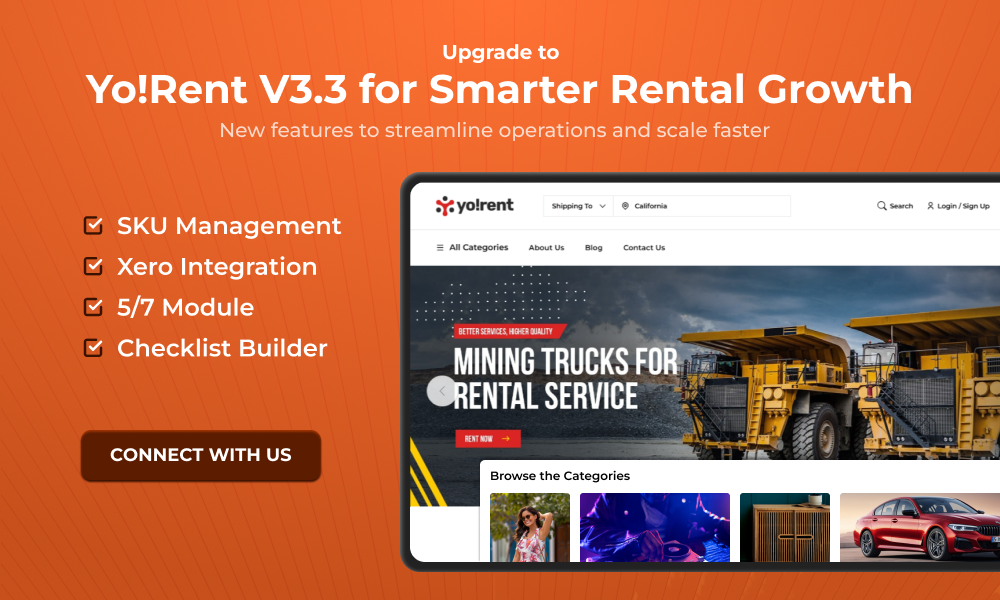
A major strength of FATbit Technologies is its proprietary software, Yo!Rent, which is purpose-built for rental businesses. Unlike generic marketplace builders, Yo!Rent is designed specifically to address the complexities of rental operations. Designed with rental-specific workflows at its core, it reduces the need for heavy customization.
Core Capabilities:
- Advanced Booking Management: Real-time product availability with calendar-based scheduling
- Flexible Rental Pricing: Supports hourly, daily, weekly, and long-term pricing models
- Inventory & Order Lifecycle Management: Handles stock availability, returns, extensions, and cancellations
- Security Deposits & Risk Management: Built-in systems to manage deposits and late returns
- Multi-Vendor Ecosystem: Vendors can independently manage listings, pricing, and orders
- Global Readiness: Multi-currency, multi-language, and tax configuration support
- Commission & Revenue Models: Flexible admin commission structures
This combination of ready-made functionality and customization makes Yo!Rent a strong and practical option for businesses looking to reduce development time while still building a scalable and feature-rich rental marketplace.
Case Studies
- Foets NV is a Belgium-based equipment rental business. Leveraging Yo!Rent, the platform, digitized its large fleet operations with advanced inventory, RFQ management, and customized workflows, improving booking efficiency and handling complex rental requirements seamlessly.
- Crane Now is a construction equipment rental marketplace connecting contractors with verified suppliers of cranes and heavy machinery across Europe. Using Yo!Rent, the platform efficiently manages RFQ workflows, multi-vendor coordination, and equipment availability. Additionally, Yo!Rent helps streamline procurement operations and supports scalable growth in the heavy equipment rental segment.
- U-Crew is an Australia-based P2P rental platform that enables users to rent sports gear, connect with communities, and monetize idle assets through secure workflows, improving accessibility, trust, and overall user engagement.
Explore Yo!Rent with a Personalized Demo
2. Arcadier
Ratings: 4.2/5
Arcadier is a SaaS-based marketplace builder that supports rental functionality through configurable modules. It is widely used by businesses looking for a quick and simple launch without deep technical involvement.
Key Highlights:
- Cloud-based infrastructure
- Modular marketplace features
- Quick deployment
- Beginner-friendly platform
Pros:
- Easy setup and onboarding
- Low upfront cost
- Suitable for beginners
Cons:
- Limited customization capabilities
- Recurring subscription costs
- Not ideal for complex rental workflows
- Restricted scalability
3. Sharetribe
Ratings: 4.3/5
Sharetribe is a popular choice for startups looking to build rental marketplaces quickly using a no-code or low-code approach. It is particularly useful for validating business ideas with minimal development effort and offers a user-friendly interface for rapid deployment.
Key Highlights:
- Fast MVP launch
- Hosted solution
- No-code flexibility
- Simple interface
Pros:
- Quick go-to-market
- User-friendly interface
- Ideal for idea validation
Cons:
- Limited scalability
- Transaction-based pricing
- Restricted customization
- Dependency on the platform ecosystem
4. Brainvire
Ratings: 4.5/5
Brainvire offers enterprise-grade custom rental marketplace development services, focusing on scalability and advanced integrations. It is best suited for businesses that require complex integrations, tailored features, and long-term digital transformation support.
Key Highlights:
- Fully customized development
- Enterprise-level architecture
- Strategic consulting
- Advanced integrations
Pros:
- Highly scalable solutions
- Tailored feature development
- Strong enterprise experience
Cons:
- Higher development cost
- Longer project timelines
- Less suitable for small startups
5. Appinventiv
Ratings: 4.4/5
Appinventiv specializes in building mobile-first rental marketplace applications with a strong focus on design, performance, and user experience. It is ideal for businesses prioritizing high-quality UI/UX and mobile-driven engagement.
Key Highlights:
- Mobile-centric development
- Modern UI/UX design
- Enterprise client base
- Performance-focused solutions
- Scalable app architecture
Pros:
- Strong mobile capabilities
- High-quality design
- Scalable apps
Cons:
- Expensive engagement model
- Longer development cycles
- Not ideal for tight budgets
- Custom-heavy process
6. Codica
Ratings: 4.3/5
Codica focuses on building custom rental platforms and sharing economy marketplaces with a strong emphasis on user experience and design. Its agile approach ensures tailored solutions aligned with specific business requirements.
Key Highlights:
- Custom-built solutions
- Marketplace expertise
- UX-driven approach
Pros:
- Tailored solutions
- Strong UI/UX expertise
- Flexible project execution
Cons:
- Time-intensive development
- Higher cost
- Longer time to market
7. Simform
Ratings: 4.4/5
Simform provides scalable custom development services with a focus on cloud-native applications and engineering teams. It is ideal for businesses looking to build robust rental marketplaces with modern architecture and long-term scalability.
Key Highlights:
- Cloud-based architecture
- Dedicated development teams
- Scalable solutions
- Flexible engagement models
Pros:
- Flexible engagement models
- Strong engineering capabilities
- High scalability
Cons:
- No ready-made solution
- Requires detailed planning
- Longer development timelines
- Higher cost for customization
8. OpenXcell
Ratings: 4.2/5
OpenXcell offers web and mobile-based rental marketplace development services for startups and SMEs. It offers both web and mobile solutions, focusing on flexibility and tailored development based on business requirements.
Key Highlights:
- Custom marketplace development
- Mobile and web solutions
- Startup-focused services
- Flexible development approach
Pros:
- Experienced team
- Flexible solutions
- Suitable for SMBs
Cons:
- Development-heavy approach
- Longer timelines
- Limited ready-made options
- Requires continuous involvement
Build a Scalable Rental Marketplace with the Right Experts
9. BairesDev
Ratings: 4.5/5
BairesDev is a US-based nearshore software development company known for providing highly skilled engineering teams across Latin America. It is particularly popular among startups and enterprises looking for rapid team scaling and high-quality engineering talent without long hiring cycles.
Key Highlights:
- Nearshore development model (Latin America talent pool)
- Strong expertise in scalable web and mobile applications
- Dedicated teams and staff augmentation services
- Experience across industries, including marketplaces and SaaS
Pros:
- Fast access to top-tier developers
- Strong scalability for growing platforms
- Flexible engagement models (dedicated teams, project-based)
Cons:
- No ready-made rental marketplace solution
- Requires a clear project scope and management
- Higher cost for premium talent
10. Netguru
Ratings: 4.5/5
Netguru is a premium development company known for delivering high-quality custom marketplace solutions. It is best suited for businesses that prioritize user experience, innovation, and premium digital products.
Key Highlights:
- Premium development services
- Strong design capabilities
- High-quality engineering
- Product-focused approach
Pros:
- High-quality output
- Strong UX/UI focus
- Experienced Team
Cons:
- Expensive services
- Longer development timelines
- Not ideal for small budgets
- Custom development dependency
Rental Marketplace Development Companies Comparison Table
Choosing the right partner for rental marketplace development is not just a technical decision; it directly impacts your platform’s scalability, time-to-market, operational efficiency, and long-term success.
The table below compares the development companies to help you identify the right partner based on your business goals, budget, and growth plans.
| Company |
Approach |
Rental Expertise |
Customization |
Time to Market |
Pricing Model |
Best For |
| FATbit Technologies |
Ready-made and Custom |
Very High |
Very High |
Fast |
One-time |
Startups & Enterprises |
| Arcadier |
SaaS |
Medium |
Low |
Very Fast |
Subscription |
Beginners & MVPs |
| Sharetribe |
SaaS |
Medium |
Medium |
Fast |
Subscription |
MVPs & Early-stage startups |
| Brainvire |
Custom |
High |
High |
Slow |
High Cost |
Enterprises |
| Appinventiv |
Custom |
Medium |
High |
Slow |
High Cost |
Mobile-first businesses |
| Codica |
Custom |
High |
High |
Moderate |
High Cost |
UX-focused platforms |
| Simform |
Custom |
Medium |
High |
Moderate |
High Cost |
Scalable tech platforms |
| BairesDev |
Custom |
Medium |
High |
Moderate |
High Cost |
Enterprises & scaling startups |
| Netguru |
Custom |
High |
Very High |
Slow |
High Cost |
Premium digital products |
Key Factors to Consider When Choosing a Rental Marketplace Development Company
Choosing the right partner for rental marketplace development is one of the most critical decisions that can influence your platform’s success. Beyond just technical development, the right company should align with your business goals, understand rental-specific challenges, and provide long-term scalability.
With multiple options available, ranging from SaaS platforms to full-service development firms, it’s essential to evaluate companies based on a structured set of criteria:
1. Industry Experience in Rental Marketplace Development
Not all marketplace development companies understand the complexities of rental business models. From booking management and availability tracking to return logistics, rental platforms require specialized workflows. A company with prior experience in rental marketplace development can better anticipate challenges, streamline processes, and reduce development risks.
2. Availability of Ready-Made vs Custom Solutions
One of the first decisions you will make is choosing between ready-made software and custom development. Readymade solutions help you launch faster with lower upfront costs, while custom development offers flexibility but requires more time and investment. Your choice should align with your goals and timeline.
3. Scalability and Performance
As your business grows, your platform should be able to handle increasing users, vendors, and transactions efficiently without compromising on performance. Look for companies that prioritize scalable architecture, cloud readiness, and performance optimization to support long-term growth.
4. Feature Set and Rental-Specific Capabilities
A strong rental marketplace requires features beyond standard eCommerce functionality. Capabilities like booking calendars, flexible pricing, security deposits, and order lifecycle management are essential. Platforms built with rental-first architecture can significantly reduce the need for extensive customization later.
5. Customization Flexibility
Even if you start with a ready-made solution, your business model will evolve. Make sure the solution allows for UI/UX customization, feature upgrades, and third-party integrations so you can adapt to changing market needs without rebuilding from the ground up.
6. Time to Market
In competitive markets, speed is a major advantage. Delayed launches can result in missed opportunities. While SaaS platforms can be launched within days and readymade solutions within weeks, custom development often takes months. If speed is critical, choosing a company with pre-built frameworks can significantly reduce launch timelines.
7. Budget and Total Cost of Ownership
It is important to look beyond initial development costs. Consider ongoing expenses such as licensing fees, customization, maintenance, and upgrades. A cost-effective solution balances upfront investment with long-term value.
8. Post-Launch Support and Maintenance
Launching your platform is just the beginning. You’ll need ongoing support for bug fixes, feature enhancements, and security patches. A reliable development company should offer long-term technical support and maintenance services to keep your platform running smoothly.
9. Technology Stack and Integration Capabilities
A strong and modern tech stack ensures your platform remains flexible and future-ready. Make sure the company supports essential integrations, including payment gateways, logistics APIs, and analytics tools to enhance functionality and user experience.
10. Client Reviews and Case Studies
Before selecting your development partner, always evaluate client testimonials, case studies, and past projects. A proven track record in rental marketplace development gives you confidence that the company can deliver results and handle real-world challenges effectively.
Choose a Development Partner That Aligns with Your Goals
Conclusion
The rental economy is rapidly transforming how consumers access products and services, creating immense opportunities for businesses to build scalable and profitable platforms. However, success in this space largely depends on choosing the right approach and partnering with a company that truly understands the rental-specific complexities.
As highlighted in this guide, different development companies cater to different needs, whether it’s quick MVP launches, fully customized enterprise platforms, or hybrid solutions that balance speed and scalability. The key lies in aligning your choice with your business goals, budget, technical requirements, and long-term growth plans.
Ultimately, building a successful rental marketplace is not just about launching quickly, but about building a strong, future-ready foundation that can adapt, scale, and support sustainable growth in an increasingly competitive market.
FAQs
Q 1. What is rental marketplace development?
Ans. Rental marketplace development refers to the process of building an online platform where multiple vendors or individuals can list products or services for rent, and users can book them for a specific duration. These platforms typically include features like booking calendars, pricing flexibility, and vendor management systems to streamline rental operations.
Q 2. Which is the best rental marketplace development company?
Ans. The best rental marketplace development company depends on your business requirements, budget, and technical needs. However, FATbit Technologies is widely recognized for its rental-focused solution Yo!Rent, which offers a balance of scalability, cost-efficiency, and faster deployment, all while supporting long-term growth and customization.
Q 3. How much does it cost to build a rental marketplace?
Ans. The cost to build a rental marketplace varies based on the chosen development approach:
- SaaS platforms: Lower upfront cost but recurring fees
- Ready-made solutions: Moderate one-time cost
- Custom development: High cost (can range from $20,000 to $100,000+)
Q 4. How long does it take to develop a rental marketplace?
Ans. The development timeline of building a rental marketplace depends on the approach and your requirements. SaaS platforms allow the launch of the platform within a few days, ready-made solutions typically take a few weeks, while custom-built platforms require 6 to 12 months or even more, based on features and complexity.
Q 5. What features are essential in a rental marketplace platform?
Ans. Key features in a rental marketplace platform include:
- Booking and availability management
- Flexible rental pricing (hourly/daily/weekly)
- Security deposits and late return handling
- Multi-vendor dashboards
- Payment gateway integration
Q 6. What is the difference between a rental marketplace and an eCommerce platform?
Ans. An eCommerce platform is built for selling products permanently, while a rental marketplace enables temporary access to products or services. Rental platforms require additional features and functionalities such as booking calendars, return management, and time-based pricing to handle rental-specific workflows effectively.
Q 7. Can I customize my rental marketplace platform?
Ans. Yes, you can customize your rental marketplace platform based on your business requirements. Many rental marketplace development companies offer flexible customization services. For example, FATbit Technologies is one such development partner that provides fully customizable rental marketplace solutions. They have also launched Yo!Rent, a ready-to-use yet highly customizable rental software designed for businesses that want to start quickly while retaining the flexibility to scale and modify features as they grow.
Q 8. Is it better to build from scratch or use ready-made software?
Ans. The choice to build the platform from the ground up or use a readymade solution depends on your business goals and timeline. Readymade software is ideal for faster launch and lower initial costs, while custom development offers complete flexibility and control.
Q 9. How do rental marketplaces make money?
Ans. Rental marketplaces generate revenue through multiple streams, including:
- Commission on each transaction
- Subscription fees for vendors
- Listing fees
- Featured listings and advertisements
This diversified revenue model ensures sustainable business growth and profitability.
Q 10. What industries can benefit from rental marketplaces?
Ans. Rental marketplaces can be built for various industries, including:
- Equipment and machinery
- Fashion and apparel
- Vehicles and mobility
- Real estate and property
- Electronics and consumer goods
Any industry with underutilized assets or demand for temporary access can benefit from a rental-based business model.