Online Coaching Platform Development Cost Guide: Everything You Need to Know Before Investing
Views - 310
Published Date 06th Jul, 2026
How much does developing an online coaching platform cost?
One of the most common questions asked by entrepreneurs, institutions and businesses planning to launch online coaching platforms or marketplaces.
Are you also among them?
This development cost guide breaks down all the factors that affect costs and provides an overview of the investment required to develop a coaching platform.
From key factors affecting cost to cost breakdown by development approaches and phases and hidden costs to proven tips to reduce costs, this craft will provide you with an overview of the investment required and guide you in smart budgeting.
However, before we get into the guide, let’s take a look at why to develop an online coaching platform.
The adoption of digital coaching platforms is rising. Group coaching, one-on-one coaching, and career coaching are a few segments growing at a good pace and capitalizing on the largest market share.
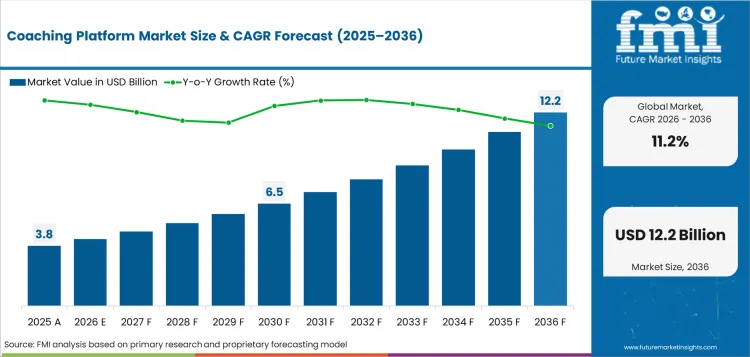
According to Future Market Insights, the expected figure of the coaching platform market size is $4.23 billion by the end of 2026 and $12.2 billion by 2036, growing at a CAGR of 11.2%.
An online coaching platform is a digital platform that enables virtual interaction between coaches, tutors, consultants, clients and students. The platform offers features like session scheduling, course creation, video conferencing, screen sharing, self-booking, payment processing, progress tracking and many more. Instead of juggling multiple applications and sources, an online coaching platform allows coaches to streamline and manage operations through a centralized platform.
Must-Have Features of an Online Coaching Platform
An online coaching platform operates differently. Therefore, it necessitates distinct features to streamline operations, manage sessions and perform several more actions by different user types. Let’s explore the top features of an online coaching platform and understand how they serve.
1. User Registration and Profile Management
This feature allows users to sign up. They can further input and manage their details. Coaches maintain customizable profiles detailing their expertise, certifications, and coaching styles, and so on. On the other side, clients can create an account, search and find coaches according to their specific requirements, and connect.
2. Real-time Availability and Session Scheduling
Clients can easily book a session. The calendar shows real-time availability updates, enabling clients to book sessions without multiple confirmations. Moreover, the system connects with calendars like Google Calendar that don’t just show real-time availability but also automatically adjust for different time zones and send automated SMS or email reminders.
3. Video Conferencing / Live Session Tools
Video conferencing or a live session tool offers an interactive learning experience. The platform integrates with Google Meet and Zoom or connects users via built-in virtual meeting tools. These tools primarily connect users and enable real-time face-to-face interaction.
4. Payment Gateway Integration
Payment gateways are critical for secure and seamless payment processing. They also help build trust, allowing customers to make payments using their preferred payment method. Online coaching platforms often integrate multiple payment gateways such as Stripe, PayPal, M-Pesa, and others, providing flexibility for businesses to handle global and regional transactions.
5. Commission and Subscription Management
This feature primarily works for the coaching platform admin. They set up, manage, and automate commissions. The admin can configure commission for each booked or completed session. They can also manage subscription fees, tutor payouts, and do a lot more. Moreover, the system calculates and routes commission, minimizing manual efforts.
6. Built-in Chat and Messaging
An in-built communication tool enables coaches and trainers to communicate with clients flexibly. Instead of relying on external tools and traditional communication channels, they can interact quickly using the in-platform messaging system. It further minimize wait time by enabling interaction in real-time.
7. Multilingual & Multi-Currency Support
A platform that supports multiple languages and currencies enables businesses to tap into global market, breaking geographical barriers. It minimizes friction, improves conversion rates and helps build trust by allowing users to interact in their native language and make payments in their currencies.
8. SEO and Marketing
SEO and marketing features are vital for any online platform, especially when you are competing in a highly saturated market. These tools enable marketplace operators to drive paid and organic traffic on the platform, attract coaches and clients, and generate more revenue.
9. Analytics and Reporting
This feature allows admins to track marketplace performance and access valuable data and insights. They can also make strategic decisions and grow their platform accordingly. Moreover, the performance analysis feature works for coaches. They can also track performances, enabling them to stay aware of the coaching effectiveness.
10. Reviews and Ratings
These features enable clients to leave feedback and a star rating upon completing a coaching program. Reviews and ratings serve as social proof. They provide an overview to the client seeking coaching services based on real-life experiences. At the same time, they also help the marketplace and coaches build trust and attract new clients.
Discover Out-of-the-Box Features of an Online Coaching Platform
Key Factors That Affect the Development Cost of an Online Coaching Platform
The actual development cost can’t be determined until the project goal is clearly defined, but we can identify the factors that affect cost. The cost of developing an online coaching platform varies significantly due to several factors. Therefore, before we get into the development cost, let’s explore the factors described below:
1. Platform and Features Complexity
Primarily, an online coaching platform is categorized into three different categories based on development complexity: basic, mid-level and complex. Each requires a distinct level of effort, hours and expertise that affect development cost significantly.
A platform with basic requirements and standard features costs less. On the other hand, mid-level and highly complex online coaching platforms with advanced feature requirements cost more, even much more.
Interactive dashboards, progress tracking, group coaching, in-app messaging, automated reminders, and gamification (badges, rewards, daily goal streaks).
4–8 Months
(500+ Hours)
$40,000 – $80,000
Complex Platform
(High Complexity)
Multi-coach management, live streaming, screen sharing, AI-powered personalization, advanced analytics & reporting, and commission management.
8–12+ Months
(800+ Hours)
$100,000 – $200,000+
2. Coaching Platform Types (Android, iOS, Web)
The types of platform you are developing also affect development cost, whether you are starting your online coaching business with a native Android app, an iOS app, or a cross-platform app and a robust web app. Your decision significantly impacts on the final budget.
Platform Type
Estimated Timeline
Estimated Cost
iOS App
2–6 Months
$25,000 – $80,000
Android App
2–6 Months
$20,000 – $70,000
Cross-Platform
(iOS + Android Apps)
4–8 Months
$40,000 – $120,000
Web App
2–4 Months
$15,000 – $50,000
Omnichannel
(iOS, Android & Web)
6–12+ Months
$50,000 – $150,000+
3. Development Team Location
You need experts when developing an online coaching platform. You can either establish your team in-house or outsource the development project to a reliable development partner. Be mindful that the cost of onboarding these experts can vary by geographical area, affecting the overall development cost.
Region
Hourly Rates
Monthly Salary
USA
$60 – $200
$8,000 – $13,000
Canada
$55 – $180
$7,000 – $12,000
UK
$50 – $150
$5,000 – $10,000
Australia
$55 – $200
$7,000 – $13,000
Germany
$40 – $120
$4,000 – $7,500
India
$15 – $70
$1,800 – $4,000
4. UX/UI Design Complexity
A user-friendly online coaching platform plays a critical role in user engagement, retention and conversion. The platform you are developing should ensure an enhanced experience for all its user types. Undoubtedly, streamlining workflows for different user types demands increased development effort.
However, developing a user-friendly platform is more than just making it appealing. The platform should allow easy navigation, consistency across devices, visual rich experience, and much more.
Undoubtedly, all this comes at an additional cost and effort, making UX/UI a factor that affect overall development cost.
An online coaching platform designed with an intuitive interface also affects the development cost. It typically increased investment by 15% to 30%, sometimes more, depending on custom branding requirements, interactive dashboards, mobile responsiveness and other design requirements.
5. Third-Party Integration
Third-party integrations improve the experience in many ways by enabling features and services out of the box. At the same time, many third-party tools and APIs save a lot of time and effort that would be required when developing these features and functionalities from scratch.
However, you can’t overlook third-party integration when considering factors that may affect online coaching platform development cost. Third-party integration also requires extra effort and time.
From payment processing to analytics and progress-tracking tools, live chat to live streaming APIs and session scheduling to marketing, enabling all these functionalities requires integration with third-party tools. Ultimately, third-party integrations may take few weeks to 1 or 2 months and 10% to 20%+ of your development budget.
Online Coaching Platform Cost Breakdown by Development Phases
The phase-wise cost breakdown of custom coaching platform development provides an overview and guidance on planning and budget allocation.
From product discovery to launch and post-launch support, knowing the phase-wise development cost helps entrepreneurs and business owners avoid running out of funds during development. At the same time, it enables them to minimize unwanted expenses and financial risk.
Development Phase
Activities
Deliverables
Estimated Cost Percentage
Discovery & Planning
Market research, competitor analysis, requirement gathering, and target audience research.
Project scope document and user journey maps.
10% – 15%
UI/UX Design
Visual design, brand alignment, wireframing, and interactive prototyping.
Approved visual mockups and style guides.
15% – 20%
Frontend & Backend Development
Core coding, feature implementation, database setup, API integrations, and business logic development.
Cost Breakdown by Development Approaches: Custom Development vs Readymade Software
Depending on the development approach, the cost of building an online coaching platform can range from $2000 to $200000. One can experience dramatic cost differences depending on the development approach you choose to build your online coaching platform.
However, there are two primary approaches you can choose to build your online coaching platform: custom development and readymade software. Let’s explore how development approaches affect the cost.
Developing an Online Coaching Platform From Scratch
Opting for custom development means choosing a process for designing, developing and deploying your online coaching platform tailored to your specific set of requirements.
A custom-built platform is designed to meet unique requirements and offer tailored experiences. Instead of customizing the workflow, the development team engineers the platform to be tailored to your operational needs, processes, targeted audience and goals.
However, the timeline for developing an online coaching platform from scratch can take 6 to 12 months and the cost can range anywhere from $30000 to $200000 or more.
Building an Online Coaching Platform Using a Readymade Software
A readymade online coaching solution is a pre-built and ready-to-deploy option. Rather than developing from scratch, entrepreneurs and businesses can simply customize the solution to align with their specific requirements.
Available under white-labeling, it enables the option to tailor and rebrand the platform as your own. A readymade software generally provides flexibility with customization and offers all the necessary features required. The interesting fact about a readymade solution one should consider is that it’s time-tested.
However, compared to custom development, a readymade solution can reduce development cost and timeline faster. Instead of taking months to develop, you can launch your marketplace within a few weeks and it typically costs between $ 1,500 and $ 10,000. Moreover, it also eliminates the need for technical expertise required when developing an online coaching platform from scratch.
Custom Development vs. Readymade Software
Comparison
Custom Development
Ready-Made Software
Development Cost
$30,000 – $200,000+ (Higher, depending on project scope and complexity)
$2,000 – $10,000 (Lower with standardized pricing plans)
Development Time
6–12 Months
2–4 Weeks
Customization Flexibility
Full
Moderate to Full
Scalability
Yes
Yes
Ownership & Control
Complete
Partial / Complete
Best Suited For
Businesses with unique workflows and highly specific development requirements.
Businesses seeking to streamline standard workflows with the flexibility to customize as needed.
Designed For
Precise operational and business requirements.
Industry-wide use cases and generalized business operations.
5 Hidden Costs to Watch Out For When Developing an Online Coaching Marketplace
The cost of developing an online coaching platform is not limited to building a platform. Apart from the above known and expected costs in general, there are several other expenses you need to manage. If you are planning development, knowing these expenses can help you prevent cost surprises.
1. Hosting & Server Infrastructure
Hosting and server infrastructure are among the hidden recurring costs for any online coaching platform. The server stores data and makes it accessible to internet users. A scalable server infrastructure ensures that users can access courses, schedule sessions, and participate in live classes without any performance issues. It improves page loading speed and supports future business growth. It requires an average of $50 to $ 1,000 monthly/yearly, depending on your requirements.
2. SSL Certificates and Security Compliance
Security is non-negotiable for platforms handling sensitive user data and payments because they are the prime targets for cyber attacks. Especially when operating an online coaching platform, you need to implement security measures in order to secure the platform, which leads to additional expenses related to SSL certificates and security measures.
3. Third-Party Tools and API Charges
Video streaming and third-party API fees are also among those necessary expenses that businesses need to manage. They enable many of the features users expect from a modern coaching marketplace. Live classes, recorded video sessions, appointment scheduling, email notifications, payment processing, calendar synchronization, and communication tools often rely on external service providers that may require recurring costs.
4. Ongoing Bug Fixes, Updates and Post-Launch Support
Ongoing bug fixes and platform updates costs are again not optional when operating an online coaching platform. You need to allocate a budget to identify and resolve unexpected issues related to the system. Regular updates, performance optimization, new feature additions, and several more maintenance-related expenses you may encounter. Also remember, regular maintenance and updates help you keep your platform functional, enhance user experiences, and prevent costly redevelopment.
5. Marketing and Customer Acquisition
Marketing is another continuous expense that businesses need to allocate a significant percentage of their budget to. They need to acquire users, including coaches and clients. However, in today’s competitive world, it requires extra effort to reach the target audience. They can attract them either organically or via paid advertisements. However, all they need is the right expertise and investment.
5 Tips to Reduce Development Costs Without Compromising Quality
Reducing online coaching platform development costs doesn’t mean sacrificing quality. However, the tips highlighted below are well-planned strategies that allow businesses to optimize their budget, minimizing unnecessary expenses. Here are 5 tips to reduce online coaching platform development costs.
1. Start with an MVP
One of the most effective ways to minimize development costs is an MVP (Minimum Viable Product). Instead of developing a full-fledged online coaching platform initially, you can start your journey with an MVP. It includes only the essential functionalities required to validate the business idea and serve early users. This approach enables businesses to minimize development costs, allowing them to validate their idea.
2. Leverage Readymade/No-Code Solution
You can choose a white-label readymade solution. It doesn’t require coding. Unlike custom development, which starts from scratch, readymade solutions come with pre-built features and functionalities and can be customized to match specific branding and business requirements. This eliminates the need for extensive coding, testing, and infrastructure setup, which ultimately reduces development cost and time.
Looking for an Alternative to Custom-Coaching Platform Development?
Adding every possible feature during the initial development phase can quickly increase project costs and extend development timelines. A more practical approach is to prioritize the features that directly contribute to the platform’s primary objective and user experience. This strategy helps optimize development resources while minimizing development costs.
4. Prioritize Scalability
Prioritizing scalability means developing a future-proof platform. Developing a scalable platform means building an infrastructure that supports growth and expansion with a growing number of users, sessions, transactions and more. It helps avoid costly redevelopment as the business grows.
5. Start Small and Scale Gradually
Don’t target every customer segment, market or geography from the beginning. Starting with a focused audience, a limited service offering, or a single region allows businesses to validate their business model while keeping development, operational, and marketing costs under control. However, as the platform gains traction and generates revenue, you can expand the platform and its reach gradually.
Why Partner with FATbit Technologies for Online Coaching Platform Development
FATbit is one of the top online coaching platform development partners with years of expertise and experience in the industry. What makes FATbit a reliable choice is that its services are not limited to custom development; the company also offers readymade software, Yo!Coach.
Yo!Coach is one of the best readymade solutions for entrepreneurs and businesses looking for a white-label online coaching software. It supports diverse niches and offers features out of the box.
You can leverage the solution and grow easily. Moreover, its customization flexibility, scalable architecture and source code access make the solution a reliable alternative to custom development.
Whether you are looking for custom development services or want to build an online coaching platform using a readymade solution, FATbit Technologies is the one-stop destination for all your requirements.
Partner with a Reliable Online Coaching Marketplace Development Company
The cost of developing an online coaching platform depends on several factors, including the project’s complexity, feature requirements, technology stack, customization level, post-launch maintenance needs and more.
Moreover, businesses also need to manage additional expenses related to hosting, security, third-party integrations, platform maintenance, and marketing, beyond custom development.
However, businesses can flexibly choose between custom development and a ready-made solution to build their online coaching marketplace
Businesses with unique development needs can choose custom development or partner with FATbit Technologies. On the other hand, if you are an entrepreneur looking to accelerate your market entry, a readymade solution like Yo!Coach is a reliable choice.
FAQs
How much does it cost to develop an online coaching platform?
The cost of developing an online coaching platform typically ranges from $30000 to $200000 or more, depending on the platform’s complexity, feature set, design requirements, technology stack, third-party integrations, and development approach.
However, using Yo!Coach you can launch your online coaching platform starting at an average cost of $2000. Click to learn more
How long does it take to build an online coaching platform?
Building an online coaching platform typically takes 6 to 12 months. However, a basic MVP can launch in 2 to 4 months, while a full-fledged online coaching marketplace with advanced features may take 6 to 12 months or longer.
However, Yo!Coach can help you accelerate the launch timeline, allowing you to go live in a few weeks instead of months, significantly reducing the timeline.
Is an online coaching platform a profitable business investment?
With the continued growth of digital learning and remote coaching, online coaching platforms are a profitable business to start. Moreover, a well-designed platform with the right monetization model can help you generate recurring revenue while serving learners across different locations and industries, making the business a significant opportunity.
Which is the best online coaching platform development company?
Deciding on the best online coaching platform development company necessitates a few key considerations, such as the company’s expertise, relevant experience, reputation, portfolio in a similar domain and post-launch support. FATbit Technologies is one of those companies that can meet all your development requirements, making it the reliable choice for entrepreneurs and businesses looking for the best online coaching platform development company.
All innovation starts with an idea to solve real-world problems. At FATbit Technologies we are passionate about driving digital transformation to prepare businesses for a digital-first tomorrow. Let’s discuss your BIG idea NOW.
Disclaimer: The Blog has been created with consideration and care. We strive to ensure that all information is as complete, correct, comprehensible, accurate and up-to-date as possible. Despite our continuing efforts, we cannot guarantee that the information made available is complete, correct, accurate or up-to-date. We advise - the readers should not take decisions completely based on the information and views shared by FATbit on its blog, readers should do their own research to further assure themselves before taking any commercial decision. The 3rd party trademarks, logos and screenshots of the websites and mobile applications are property of their respective owners, we are not directly associated with most of them.
Vishal Tiwari is a writer with a passion for crafting engaging and informative content on diverse topics. With a keen eye for detail and a knack for storytelling, he brings a unique perspective and expertise to adapt his writing style to suit various audiences and industries.